In the constantly changing world of education, virtual schools represent both innovation and controversy. In Tennessee, these public virtual schools use technology to teach students remotely and are mostly managed by local education agencies (LEAs). While they seek to offer flexible and accessible education, the reality is a mix of potential benefits and notable challenges.
Virtual schools have gained popularity, especially since the pandemic. In 2021-22, over 726 full-time virtual schools enrolled nearly 580,000 students across the United States, nearly double the pre-pandemic number. Tennessee has over 50 school districts that offer public virtual school options. Some programs are for local students, while others accept statewide enrollment. There are about 58 to 61 active virtual schools each year, with some districts having multiple programs.
This growth reflects strong demand for alternatives to traditional schooling that meet various needs.
- Rural Students: Offering access where physical schools may be miles away.
- Health Concerns: Allowing those with medical issues to learn from home.
- Flexibility: Supporting working families or gifted learners requiring advanced courses.
With the advent of AI-driven personalization and hybrid models, the potential for tailored education is enormous. Nationally successful models, such as the Florida Virtual School (FLVS), boast a graduation rate of 97%, showcasing that excellence is achievable within well-regulated frameworks.
The Dark Side: Failures and Challenges
However, the bright promise is shadowed by stark realities. Systemic failures plague many virtual schools, particularly those run as charters. Data reveals troubling trends:
- Low Graduation Rates: Full-time virtual charters report graduation rates as low as 61-65%, significantly below the national average of 86.5%.
- Academic Underperformance: Virtual students can lose the equivalent of 58-124 days of learning annually compared to their peers in traditional settings.
- High Student-Teacher Ratios: Averaging 24.4:1, these ratios correlate with poor outcomes, exacerbating issues of engagement and retention.
Demographic disparities in virtual schools raise fairness concerns, as they mainly serve White and female students while often excluding low-income and minority groups. The for-profit focus of many virtual schools exacerbates the issues, leading to higher dropout rates and inadequate support for at-risk students.
Addressing the Challenges: Paths Forward
Improving virtual schools involves not only recognizing their challenges but also applying evidence-based reforms. Several strategies could boost their effectiveness.
- Lower Student-Teacher Ratios: Aligning with state averages can enhance engagement and outcomes.
- Regular live interaction: Requiring real-time contact can fight isolation, a common drawback of virtual learning.
- Targeted teacher training: Emphasizing engagement and relationship-building can improve the quality of instruction.
- Equity initiatives: Closing tech access gaps and helping low-income families can make virtual schooling viable for everyone.
- Stronger accountability: Linking funding to performance metrics can promote improvements and reduce ongoing underperformance.
Rethinking the Narrative
Critics have long highlighted the flaws of virtual schooling, often ignoring its role as a haven for students who struggle in traditional settings. As education experts point out, many students turn to virtual schools as a last resort, making it more complicated to compare their performance with that of traditional students. This underscores the need for a detailed understanding of who these schools serve and the reasons why.
The issue of excessive screen time is important. While concerns about too much online exposure are valid, new virtual programs are emerging that combine learning with offline activities for a balanced approach. The success of virtual schools depends on systemic reforms and a focus on quality over mere growth. By emphasizing inclusivity and strong support, these schools can transition from controversial to valuable complements to traditional education, helping to address discipline issues and ensuring all students have the opportunity to succeed.
As we navigate this complex terrain, ongoing dialogue and research will be crucial. The educational landscape is evolving, and how we evaluate and adjust to these changes will determine the future of learning for generations to come.
##
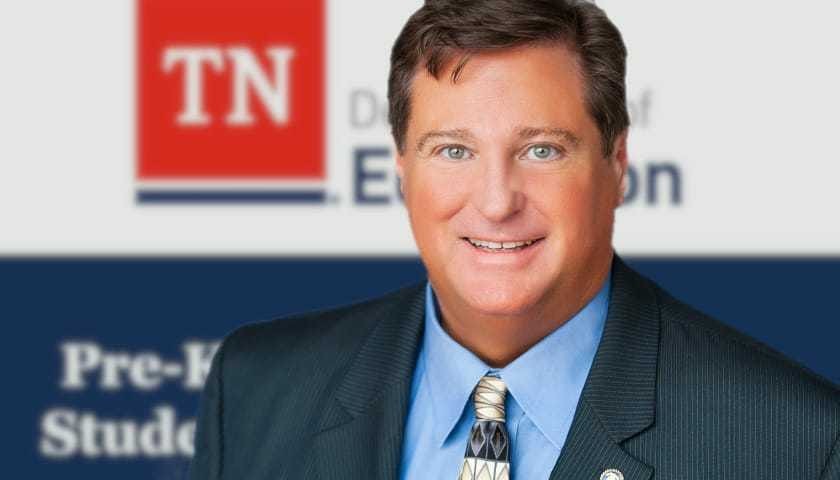
JC Bowman is the executive director of Professional Educators of Tennessee. He is a contributing editor to TriStar Daily.